 E-Paper
 Sign In




Flight cancelled in UAE? Compensation, refunds, assistance you're entitled to
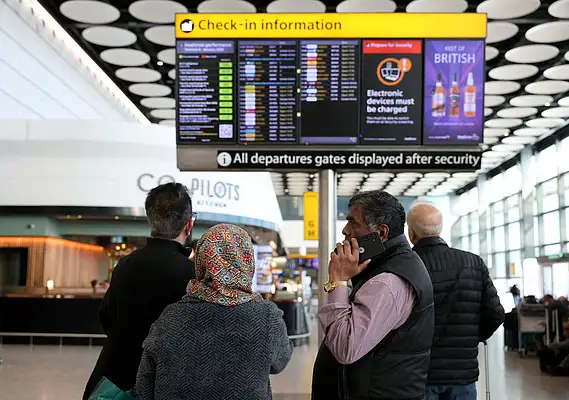
Dubai's new aviation consumer protection rules offer passengers clearer guidance on their rights and the responsibilities of airlines when disruptions occur
- PUBLISHED: Fri 17 Jul 2026, 6:00 AM UPDATED: Fri 17 Jul 2026, 8:56 AM


[Editor's Note: For the latest updates on how US-Iran hostilities have escalated since a 14-point deal was signed on June 12, follow the Khaleej Times live blog.]
With the summer travel season in full swing, passengers flying to and from the UAE are continuing to navigate shifting schedules as several international airlines extend flight suspensions and regional carriers adjust operations amid ongoing security concerns.
Recommended For You





Against this backdrop of travel uncertainty, Dubai's new aviation consumer protection rules, introduced earlier this year, offer passengers clearer guidance on their rights and the responsibilities of airlines when disruptions occur.
Issued by the Dubai Civil Aviation Authority (DCAA), the Aviation Consumer Welfare Directive sets out specific obligations for airlines and licensed travel agents while outlining the support and protections available to travellers affected by delays, cancellations and other disruptions.
Stay up to date with the latest news. Follow KT on WhatsApp Channels.
The directive applies to Dubai-based national carriers, their subsidiaries and code-share partners, foreign airlines operating from Dubai airports, as well as licensed travel agents.
Why is the directive important for passengers now?
With the peak summer travel season underway, the framework reinforces transparency and accountability at every stage of the passenger journey. It clarifies what information airlines must provide before and after a booking, what assistance travellers are entitled to during disruptions, and the channels available for raising complaints or seeking mediation if issues are not resolved.
What information must airlines provide when I book a ticket?
Airlines are required to share clear and accurate details at the point of purchase, including:
The total ticket cost: The final fare must include all taxes, fees, surcharges, and any mandatory charges.
Booking conditions: Passengers must be informed about cancellation policies, refund eligibility, ticket modification rules, and any associated penalties.
Operating airline details: If the flight is operated by a different carrier than the one selling the ticket, this must be disclosed.
Flight itinerary: Any stopovers, transit points, or connecting flights must be clearly indicated.
Baggage allowances: Airlines must explain luggage limits, along with charges for excess, oversized, or additional baggage.
Fare restrictions: Any limitations linked to the fare type, such as restrictions on changes or refunds, must be communicated upfront.
What are my rights if my flight is delayed or disrupted?
Passengers are entitled to timely updates and assistance from the airline.
Carriers must inform travellers — either directly or through their licensed travel agent — about:
The nature of the disruption
The cause of the issue
The expected duration of the delay
Airlines must also provide support in accordance with the Civil Aviation Regulations – Passenger Welfare Programme (CAR-PWP).
What options should airlines offer when a flight is cancelled or significantly disrupted?
Travellers must be given a choice among the following alternatives:
Rebooking on the next available flight operated by the same airline with the shortest possible delay.
Rerouting on another airline, where feasible. This depends on commercial agreements between carriers, seat availability, and operational considerations.
Receiving a full refund or a voucher covering the unused portion of the ticket.
What assistance am I entitled to during lengthy delays?
When delays exceed the thresholds set under the Passenger Welfare Programme — generally between three and eight hours depending on the circumstances — airlines are expected to provide reasonable care and support.
This may include:
Meals and refreshments
Access to communication services, such as internet or telephone facilities
Hotel accommodation if an overnight stay becomes necessary
Transportation between the airport and the hotel
Are vulnerable passengers given additional support?
Yes. Airlines are required to prioritise assistance for passengers who may need extra support, without discrimination.
This includes:
People with disabilities or special assistance requirements
Children travelling alone
Senior citizens
Passengers with specific needs should notify the airline within the timelines outlined in the carrier’s conditions of carriage. While airlines are expected to make suitable arrangements, support remains subject to operational availability.
When can passengers book their own replacement flight?
Passengers should first give the airline a reasonable opportunity to arrange an alternative flight or rerouting.
However, travellers may consider booking their own replacement flight if the airline:
Explicitly refuses to provide a rerouting option
Cannot be reached despite repeated attempts
Offers a significantly later flight despite reasonable alternatives being available
If passengers decide to make their own arrangements, they should keep all receipts and documentation. Reimbursement is generally limited to reasonable and comparable travel expenses, so booking a much more expensive alternative without justification may not be fully covered.
What if my flight still shows “on time” but I believe it may be cancelled?
Passengers should avoid cancelling their tickets themselves unless they have official confirmation from the airline.
If a traveller voluntarily cancels their booking before the airline announces a cancellation, it may be treated as a voluntary cancellation, which could affect their eligibility for passenger rights and compensation.
Instead, passengers should:
Contact the airline immediately and keep written records of communication
Ask the airline to confirm the official status of the flight
Wait for formal cancellation confirmation before taking action
Once an airline officially cancels a flight, passengers’ rights remain protected — even if they do not travel to the airport.
If no cancellation notice is issued but the passenger reaches the airport and the flight does not operate, passenger rights generally apply from that point. Airlines may also provide goodwill gestures, such as vouchers or additional assistance, depending on the circumstances.
What should I do if I believe my rights have not been respected?
Passengers can raise concerns directly with the airline or licensed travel agent. The directive also outlines procedures for dispute resolution and mediation, offering travellers a formal route to seek redress if issues remain unresolved.
*This article provides general information only. Passenger rights and entitlements may vary depending on the airline, ticket terms and circumstances of each case. Travellers should confirm details directly with their airline or travel agent.

